
The Venus Fixers
The Venus Fixers was the pejorative term originally applied to the WW2 soldiers who, thanks to George Clooney and his latest film , we now know better as the Monuments Men.

According to author Ilaria Dagnini Brey , who wrote the book on which the film was based , the original group of soldiers who went to War for Art were a well educated but low military ranking group of art experts with good intentions and much needed determination to save our artistic heritage from careless destruction.

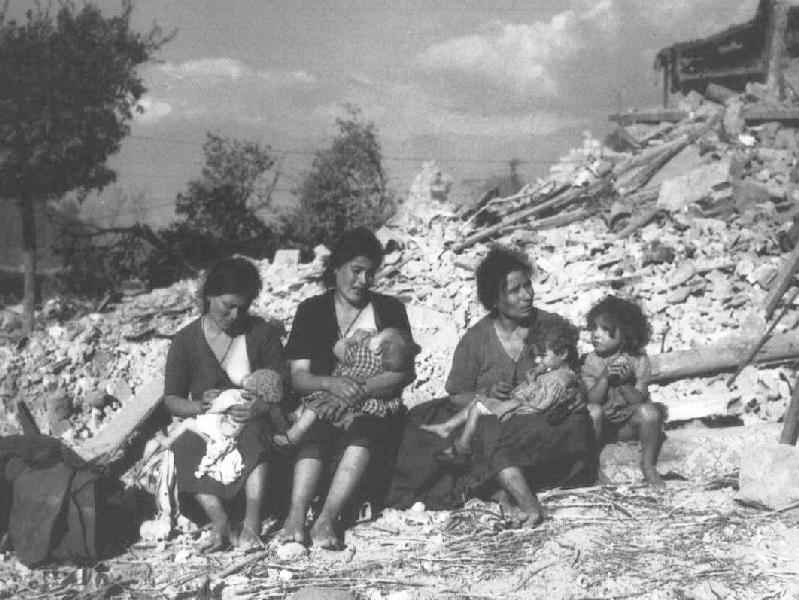
They needed all the steel they could muster at a time when their role was seen as relatively frivolous and the many higher ranking officers had other more important duties to contend with, such as simply feeding the folks in Naples, whose homes had been bombed to bits whilst the Allies “liberated” them.
Ilaria Dagnini Brey gave a lecture on ‘Saving Italy’s Art during the War’ to a full house of 100 + members of the Tuscan American Association in collaboration with AILO in the Biblioteca degli Uffizi this afternoon.

It is now seventy years since the Germans departed from Florence – leaving with a bang that blew up all the mines that had been planted under the bridges – even the Ponte Vecchio – but the General drew the line at going down in history as being responsible for destroying that one – especially as Hitler was known to have liked our beautiful city ‘Com’era’ and had painted the view of the Arno from the Vasari Corridor during his 1938 visit.

The author explained that as part of her research for her book she had tried to interview anyone from that time who was still alive to tell their tale – sadly only one, Prof Henry Latimer was around until 2003 and sadly he was suffering from dementia so not able to help – Happily many wives, children and other relatives had heard their stories many times and were around to help her gather information.

One of the Venus Fixers big responsibilities was to help the bombers understand where the most important works of art were situated –

and notwithstanding the fact that thousands of key art works had been removed from the city and placed in many of the huge villas in the hills surrounding the city , such as 600 artworks, including Giotto, located in the castle of Montegufoni ,- many, including the 17 foot high Michelangelo’s David (shown below)- were just too big or heavy to be moved and therefore had to be bricked up and surrounded by sandbags to give them the best protection they could against the wrath that was to come.

The group provided maps pin-pointing the areas where the great works of art were located – which as one bomber wryly pointed out – didn’t leave them much opportunity in Florence!

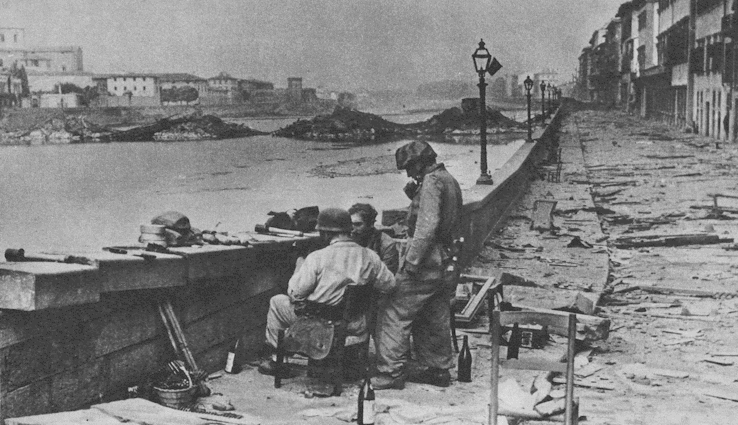
This image shows the British adding to the debris under the Trinita bridge in order to construct a temporary span across the Arno.
Unsurprisingly Hollywood has glamourised the key protagonists in the drama of saving Italy’s art – George Leslie Stout wasn’t quite as pretty as George Clooney…..

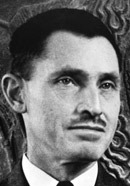
– but then Who is?
