
Wednesday, August 24th – Day Eight – Montagui to Saint Hermine
Highest point today is 99 metres – less than yesterday but older muscles are beginning to cry out for mercy -and I swear his legs are already changing shape! No quarter is being offered by the owner of the legs so another 47 kilometres have to be covered before any chance of rest when we arrived in Saint Hermine , another small town with limited information on Wikipedia – ie Sainte-Hermine is a commune in the Vendée department in the Pays de la Loire region in western France.
The interesting thing to me about the region is the colour; homes, stables, factories and the Charolais cattle are all the same off-white colour of the local unsalted butter!
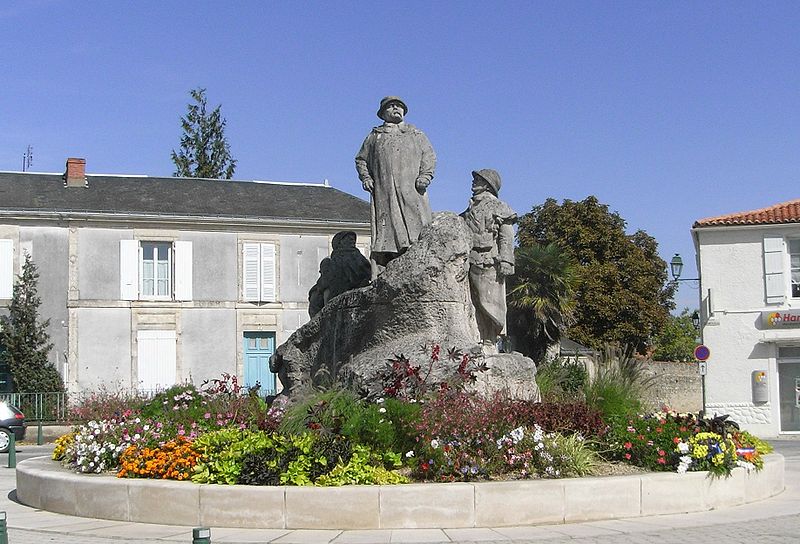
By François-Léon Sicard – Own work, CC BY-SA 3.0, https://commons.wikimedia.org/w/index.php?curid=7808980
The centre of the town of St Hermine boasts a statue of George Clemenceau, Prime Minister of France from 1906 to 1909, and again from 1917 to 1920. He led France during WW1, and was one of the principal architects of the Treaty of Versailles at the France Peace Conference of 1919 where he insisted on harsh reparations against Germany. The poor French soldiers suffered nearly twice as many losses as the Brits throughout WW2 so he was applauded by his people for demanding so much from the defeated enemy, which explains the reference shown in this sculpture – sadly the reparations had their own unfortunate outcome – WW2.
Clemenceau was born at Mouilleron-en-Pareds, which is also in the Vendée, and during the French Revolution, was known as a hotbed of monarchist sympathies, however by the early 20th Century the people of the Vendée had become fiercely republican.
French politics in his time seem to have been even more exiting than UK politics post Brexit. Clemenceau himself fought a duel on 23 December 1892, against the nationalist politician Paul Déroulède, who had accused him of corruption. Six shots were discharged, but happily nobody was hurt.
Clemenceau published 665 articles defending Alfred Dreyfus during the long-drawn-out Dreyfus case. He was an active supporter of Émile Zola and an opponent of the anti-Semitic and nationalist campaigns that seem to have led to the accusation of Dreyfus in the first place.

Clemenceau was owner and author of the Paris daily newspaper L’Aurore, which on 13 January 1898, published on the front page Émile Zola’s famous letter “J’accuse” in which Zola addressed President of France Félix Faure and accused the government of anti-Semitism and the unlawful jailing of Alfred Dreyfus.
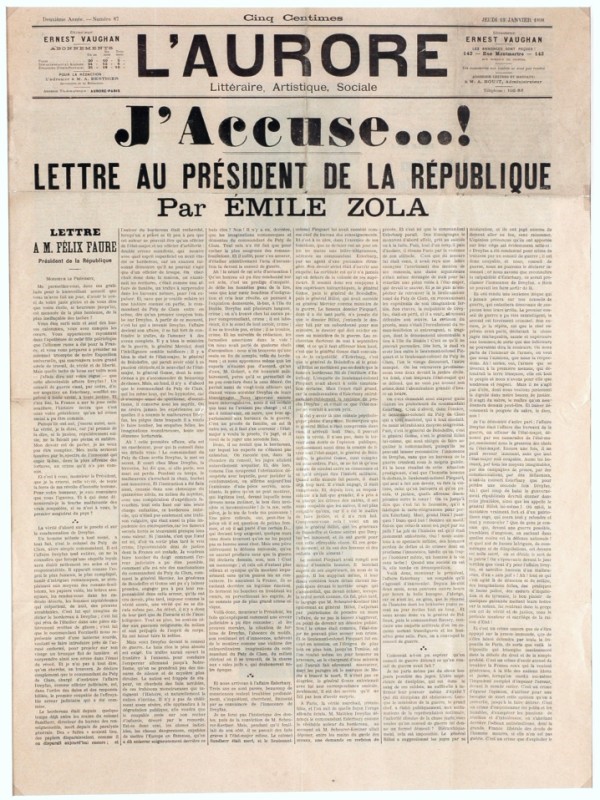
Dreyfus was a French Army General Staff officer who was sentenced to lifelong penal servitude on Devil’s Island, for espionage.
Poor Zola, as a supporter, was himself prosecuted for and found guilty of libel on 23 February 1898. He fled to England, returning home in June 1899 when Dreyfus returned to France for a retrial, where he was found guilty again, although he was pardoned!
In 1906, the unfortunate Dreyfus appealed his case again and finally achieved an annulment of his previous guilty verdicts. That year he was also awarded the Cross of the Légion d’honneur, as “a soldier who has endured an unparallelled martyrdom.”
We continued down to Niort to check out tomorrow’s hotel (not promising!) and do our next load of laundry – an inevitable result of taking so little clothing with us – that we are going to have to do this rather a lot – John has even included laundry locations on our itinerary !
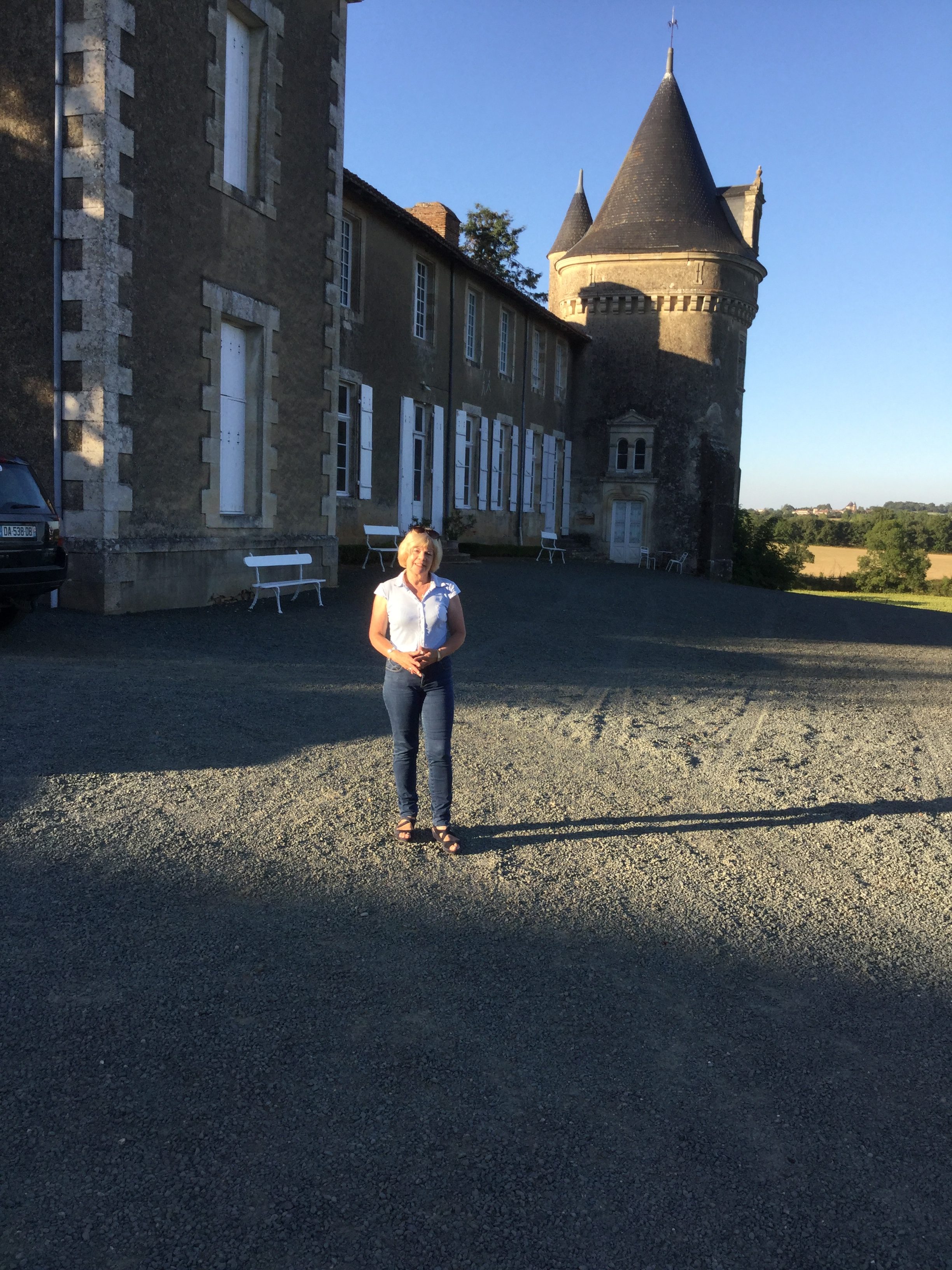
Tonights hotel Manoir de Ponsay is a Husband triumph , miles and miles from our cycling road which we would never have found without TyrantJane but we area staying in an old Manor House owned by the same family since 1644. It has beautiful grounds to look out over and a drawing room for guests who need WiFi – delightful!
